
The journey of gambling A historical perspective on its evolution
The Origins of Gambling
The history of gambling can be traced back thousands of years, with evidence suggesting that it dates as far back as ancient China and Mesopotamia. In these early civilizations, games of chance were often played with rudimentary tools such as sticks or bones. The Chinese, for instance, created the earliest known form of a lottery around 205-187 BC, using it as a method to fund government projects. These early forms of gambling laid the groundwork for what would evolve into more structured games.

As societies progressed, gambling became more organized. The ancient Greeks introduced various games that involved betting on outcomes, such as sporting events. Meanwhile, the Romans embraced gambling as a form of entertainment, leading to the establishment of rules and regulations governing these activities. This growing fascination with chance fueled the development of different betting systems and enhanced the cultural significance of gambling. best online crypto casino no kyc
By the Middle Ages, gambling had spread throughout Europe, where it began to intertwine with the social fabric of societies. Cards, dice, and other gaming devices became widely popular, leading to the creation of various games, such as poker and blackjack. These developments marked a significant turning point, as gambling transitioned from informal pastimes to more structured and organized events that attracted participants from all walks of life.
The Evolution Through the Ages
With the advent of the Renaissance, gambling underwent further transformation. This era saw the introduction of the first gambling houses, which became popular across Europe. Known as casinos, these establishments provided a dedicated space for games of chance, attracting the elite and creating a bustling social environment. It was during this period that the concept of house odds began to take shape, establishing a business model that persists in gambling today.
As the 19th century approached, innovations in gambling technology began to emerge. The invention of the roulette wheel in France added a new layer of excitement to gaming establishments, while the establishment of lotteries in various countries provided governments with revenue and citizens with a chance to win big. The rise of gambling in America also took root during this time, with the introduction of riverboat casinos and the gold rush fueling interest in high-stakes games.
By the 20th century, gambling had become a mainstream form of entertainment. The legalization of gambling in various states and countries led to the emergence of iconic gaming destinations, such as Las Vegas. The introduction of slot machines, poker tournaments, and sophisticated betting systems created a multi-billion-dollar industry, firmly embedding gambling into global culture. This evolution not only diversified the types of games available but also influenced societal attitudes toward gambling as a legitimate leisure activity.
The Impact of Technology on Gambling
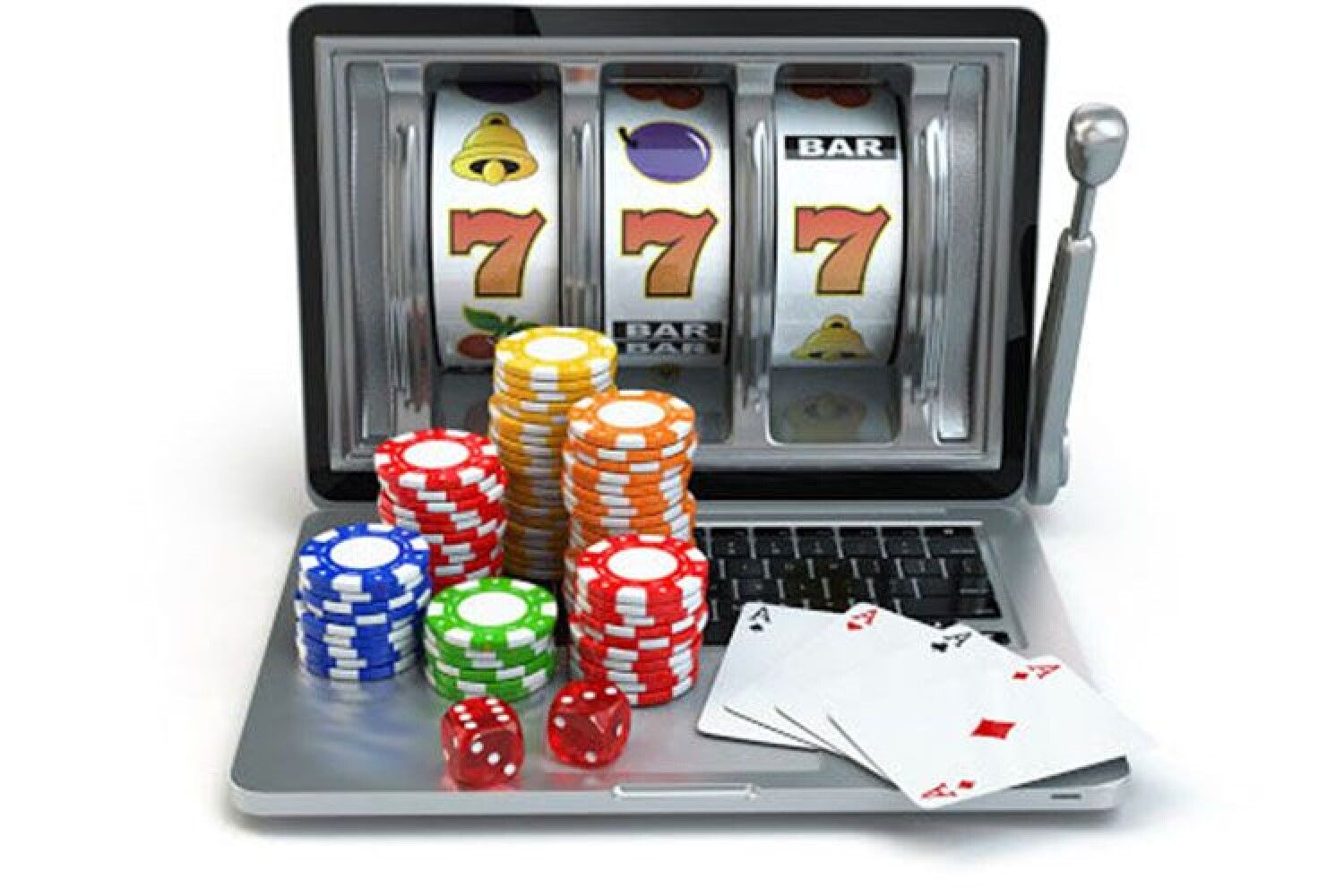
The digital age has dramatically reshaped the gambling landscape, marking a new chapter in its evolution. With the rise of the internet in the late 20th century, online gambling platforms began to emerge, offering players the convenience of gaming from their own homes. This shift not only expanded access to gambling but also introduced innovative features such as live dealer games, interactive betting, and mobile gaming, catering to a growing demographic of tech-savvy players.
Moreover, the integration of cryptocurrencies has further revolutionized the gambling experience. No KYC (Know Your Customer) casinos have gained traction, allowing players to engage in online gambling without the lengthy identity verification processes typical of traditional platforms. This anonymity appeals to many users who prioritize privacy and security, creating a new wave of interest in online gambling.
As technology continues to evolve, the gambling industry is likely to witness even more transformations. Developments in virtual reality and artificial intelligence could create immersive gaming experiences that mimic real-life casinos, while advanced algorithms might enhance game design and player engagement. These advancements are not only shaping how games are played but also influencing regulatory frameworks and ensuring responsible gaming practices in an increasingly digital world.
The Cultural Perspectives on Gambling
Throughout history, gambling has held various cultural significances, often intertwined with social norms and values. In some societies, gambling has been viewed as a harmless pastime or a rite of passage, celebrated during festivals and gatherings. In contrast, other cultures have associated gambling with moral decay, leading to restrictions and outright bans in certain regions. This dichotomy often reflects broader societal attitudes towards risk-taking and fortune.
The representation of gambling in literature, film, and media has also played a crucial role in shaping public perception. From classic novels featuring card sharks to modern films showcasing the glitz of casino life, these narratives often highlight both the allure and the pitfalls of gambling. Such portrayals can influence individuals’ attitudes and behaviors, creating a complex relationship between cultural representation and real-life engagement with gambling.
Exploring No KYC Crypto Casinos
As we continue to witness the evolution of gambling, platforms like No KYC Crypto Casinos stand at the forefront of this transformation. These sites offer a unique proposition, allowing users to experience online gaming without the need for personal identification. This shift not only enhances user experience but also aligns with a growing demand for privacy and security in digital transactions.
The platform provides extensive reviews and comparisons of various Bitcoin casinos, helping players make informed choices based on their preferences. Features such as bonuses, game selections, and withdrawal times are meticulously analyzed, ensuring that users can enjoy a tailored gaming experience. As the industry evolves, these resources become increasingly valuable for both seasoned players and newcomers alike.
In an age where technology and gambling intersect, the emergence of no-KYC gaming options represents a significant milestone in the journey of gambling. With a commitment to enhancing the online experience, sites like No KYC Crypto Casinos are shaping the future of gambling, making it more accessible and enjoyable for everyone.