
Whoa! I know that sounds dramatic. But hear me out: wallets are safety tools, not trophies. My first impression when I started using DeFi DApps was equal parts thrill and dread — excitement at the possibilities, but a gnawing worry that one wrong click could erase months of gains. Hmm… something felt off about the typical extension wallet UX — too many confirmations, too little clarity, and too much trust placed in invisible code. Initially I thought a flashy interface would do the trick, but then I realized that clarity and affordances matter far more than shiny graphics.
Seriously? Yes. Security is as much about human behavior as it is about cryptography. Users will click the obvious button; they will choose the path that looks fastest even if it’s risky. My instinct said that a great wallet needs three things: clear intent signaling, sane defaults, and friction where it matters. Actually, wait—let me rephrase that: the wallet must prevent accidental dangerous actions, while making safe actions effortless. On one hand, users hate interruptions; on the other, interruptions are how you avoid disaster. So there’s a balance to strike, and it’s messy.
Here’s the thing. Some of the worst hacks I’ve seen weren’t technical exploits but social-engineering via deceptive approvals and bewildering token allowances. Shortcuts like “approve unlimited” are convenience masquerading as generous UX. I learned to distrust anything that asks for sweeping permissions without transparency. (oh, and by the way…) a wallet that defaults to least privilege will block many common attack vectors before they even start. That seems obvious, but most wallets still nudge users toward risky defaults.
Check this out—I’ve used a lot of browser-extension wallets while testing dozens of DeFi flows. I like to poke at things: change chain IDs, submit malformed transactions, and try unusual approval flows. Sometimes it’s fun. Sometimes it’s scary. Through that work, patterns emerged: phishing via fake popups, approval fatigue, and confusing gas UX. These are behavioral failures as much as engineering ones. So when a wallet designs itself around protecting a human rather than assuming perfect attention, that’s a win.
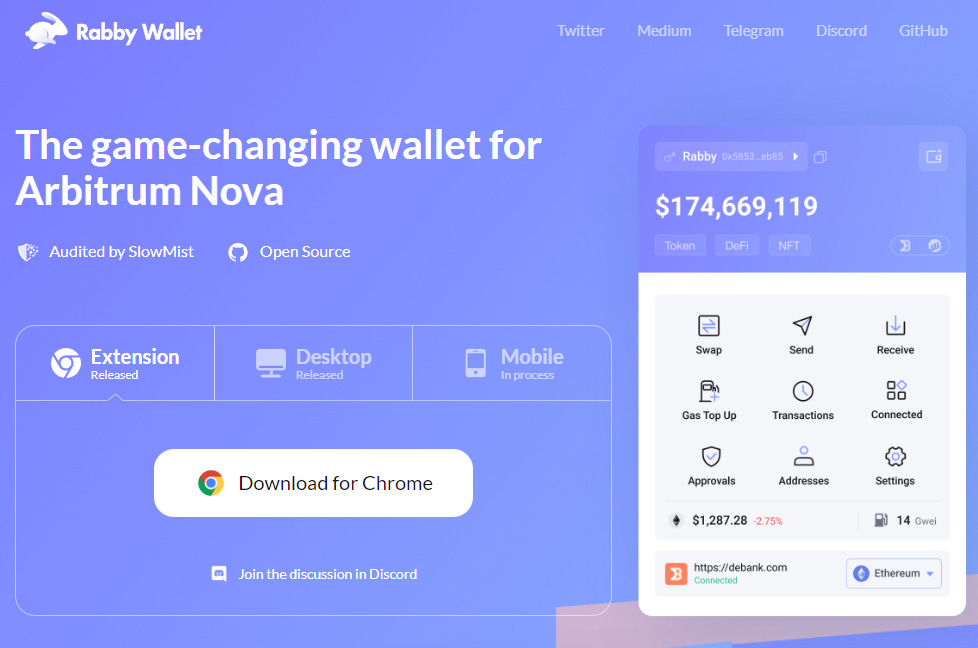
What good security actually looks like in a browser extension
Short answer: predictable boundaries and visible consequences. Long answer: security is layered — it includes cryptographic best practices, UX that surfaces intent, and processes that limit blast radius when errors happen. For instance, transaction previews should show readable recipient names (where possible), exact token amounts, and clear gas estimates with an option for safe gas. Some wallets try to hide complexity; that’s fine for some users, though actually it increases risk for DeFi users who need context. So the design should be flexible: keep defaults safe, let power users dig deeper.
Whoa! A small detail: address checksums and ENS names aren’t magic safety; they’re UX helpers. If you send funds to an ENS typo or a visually similar name, the wallet should ask: “Are you sure?” Really? Yep. That one prompt has saved me from a couple of absent-minded mistakes. My rule of thumb is this: add friction that prevents irreversible, high-impact errors, but remove friction for low-risk routine actions. That distinction is subtle and user-dependent, which is why customization matters.
Here’s another angle. Many extension wallets run in the browser process and thus inherit all browser risks. A malicious extension or compromised webpage could attempt to trick users. Mitigation isn’t just code-level sandboxing (which helps) — it includes features like domain-bound approvals, transaction origin labels, and a clear separation between signing and broadcasting. My experience shows that when a wallet labels the exact dApp origin and stores prior approvals in an auditable list, users feel less in the dark. It reduces the “who signed what?” anxiety.
I’ll be honest: I have biases. I’m biased toward wallets that make security tangible for humans. I like clear logs. I like easy revoke actions. I like a history that’s readable. This part bugs me about many popular wallets — they bury the audit trail. If you want safer DeFi interactions, you need a wallet that treats permission management as front-and-center, not an obscure settings screen.
Why Rabby stands out (and how you can try it)
Okay, so check this out—Rabby built features exactly around these pain points. It emphasizes allowance control, shows detailed transaction previews, and helps you detect suspicious token approvals by default. My instinct on first use was relief; finally a wallet that talks like a safety tool. On the flip side, Rabby also gives power users granular controls when they need them, which is critical for advanced strategies. If you want to try it, here’s where to get a copy: rabby wallet download.
Something I noticed during testing: Rabby’s UI nudges you away from unlimited approvals, and the revoke flow is straightforward — none of the guesswork that makes you hesitate. Initially I thought that introducing more friction would annoy users, but then realized it actually builds trust, because users feel informed, not railroaded. On one hand, more dialogs can slow things down; though actually, if they prevent a catastrophic mistake, that delay is worth it. My takeaway: friction is fine when it’s purposeful.
Hmm… not everything is perfect. There are edge cases where gas estimation could be clearer, and sometimes ENS resolution behaves weirdly with certain L2s (minor quibbles). But these are solvable problem areas; they don’t undermine the core safety model. Also, I’m not 100% sure how the wallet will evolve with rapid protocol changes, but the team’s focus on permission hygiene gives me confidence. Somethin’ to watch for, though — rapid expansion could introduce complexity.
Security is a process, not a checkbox. You should still follow good habits: keep seed phrases offline, use hardware wallets for large holdings, avoid clicking unknown links, and verify contract interactions when possible. That said, choosing a wallet built with human behavior in mind reduces the odds that you’ll be one careless click away from a loss. A good extension wallet should feel like your co-pilot — guiding when needed, quiet when not.
FAQ
Q: Can a browser extension wallet ever be as safe as a hardware wallet?
A: Short answer: no, not by default. Hardware wallets keep keys offline which is a strong security boundary. Longer answer: a well-designed extension like Rabby can bridge some gaps by minimizing risky defaults and making approvals transparent, but for high-value storage, pair the extension with a hardware signer whenever possible.
Q: How do I reduce my exposure to malicious approvals?
A: Revoke unnecessary allowances regularly, avoid “approve unlimited” unless absolutely needed, and use wallets that surface rich transaction details. Also, consider using an intermediate contract or spending limits for DApps that require recurrent approvals — it’s a pragmatic way to limit damage if something goes wrong.
Q: Is it safe to use Rabby for everyday DeFi?
A: For day-to-day interactions Rabby is a solid choice because it emphasizes permission control and clear transaction previews. That said, always match the wallet choice to your risk profile: small trades in an extension are fine; multimillion-dollar positions deserve hardware security and extra checks.